
| By Godwin Ugbaka
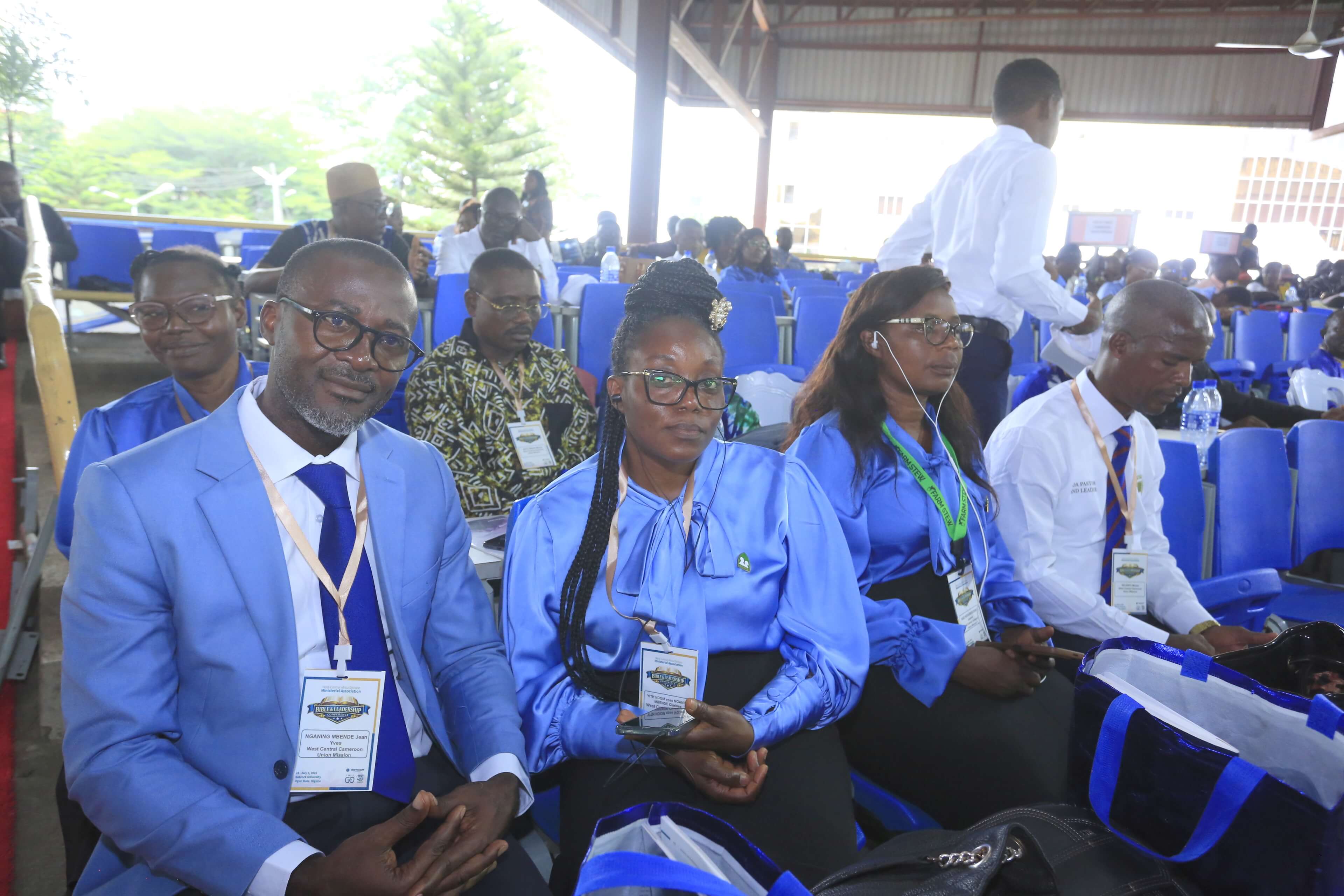
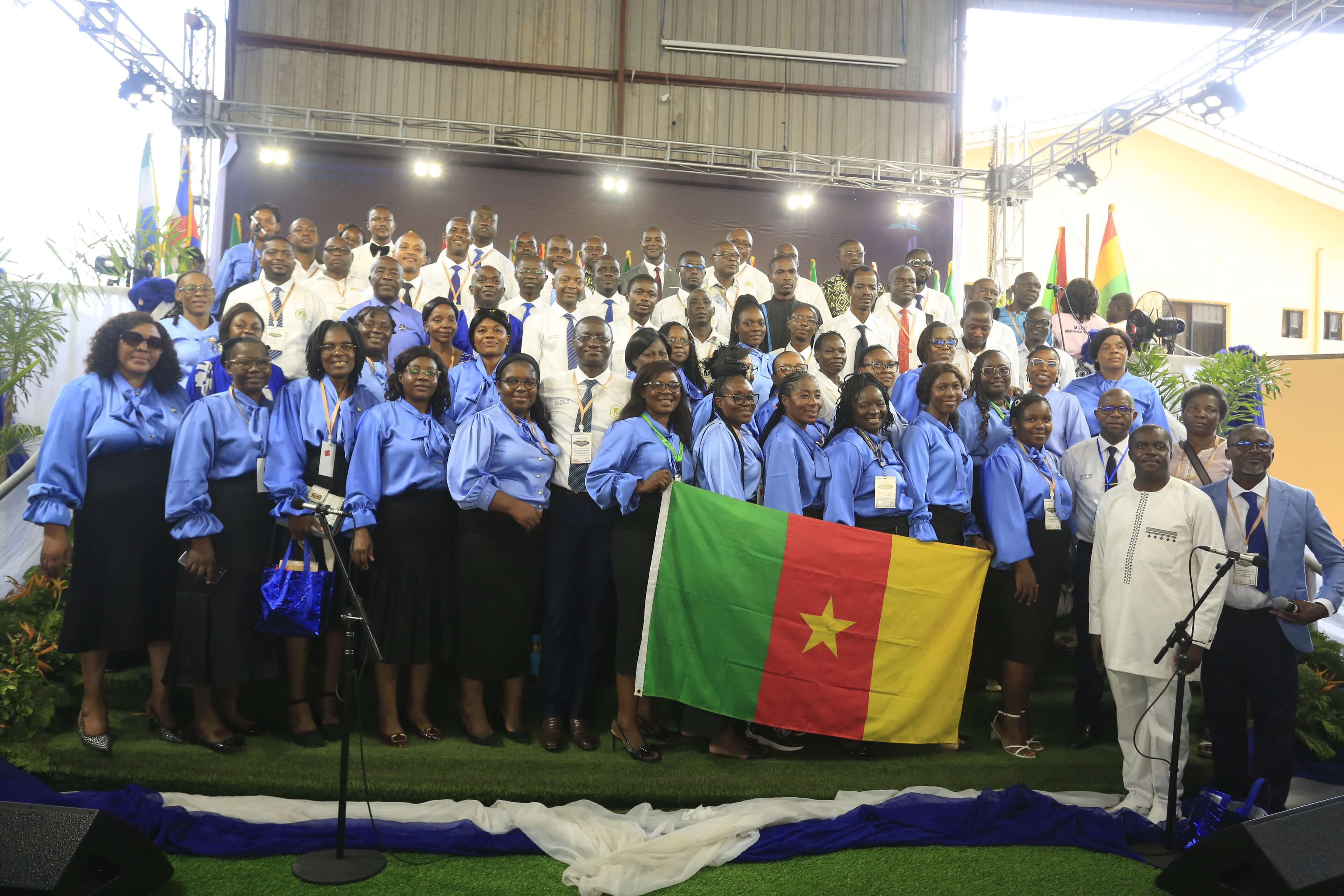
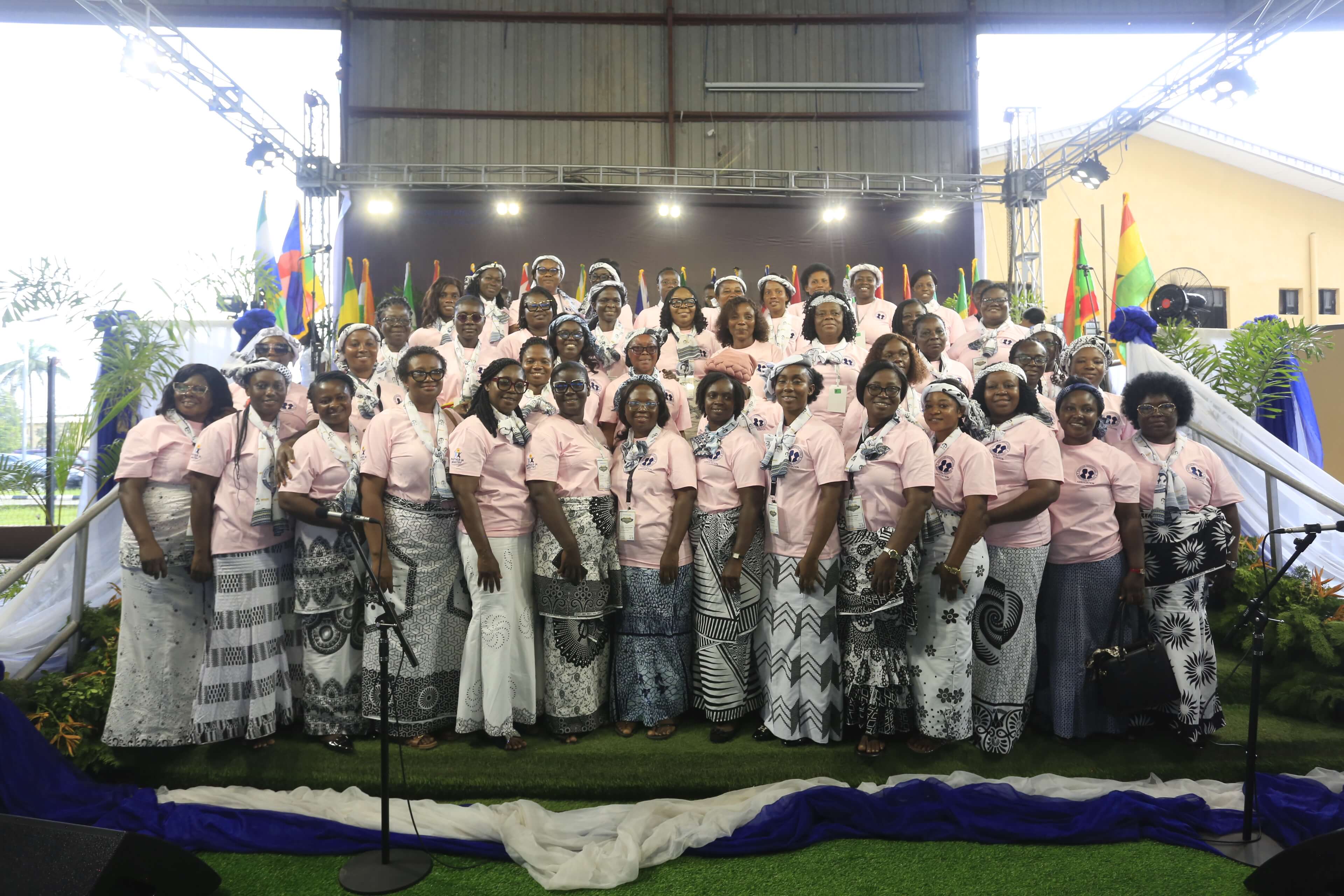

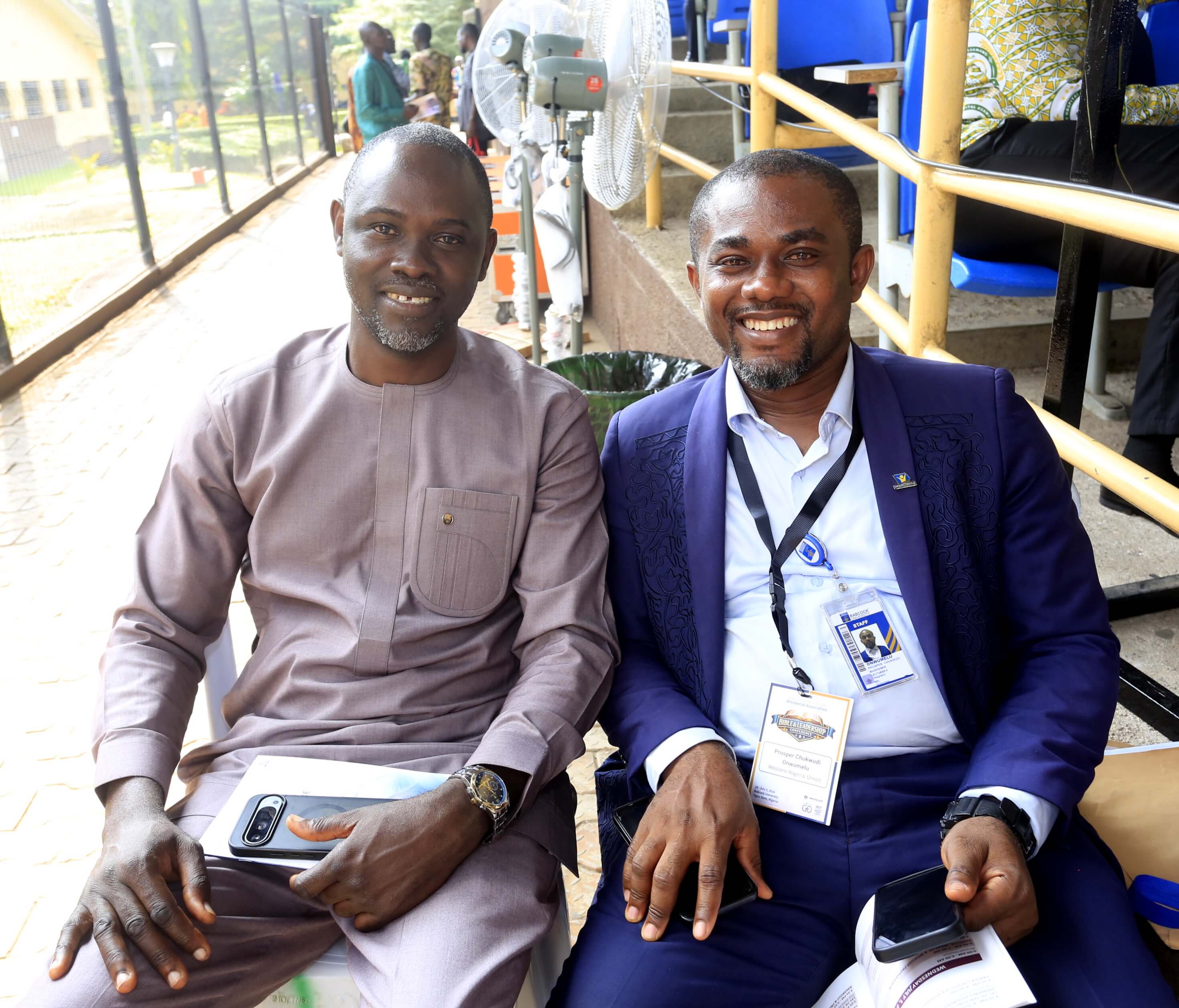
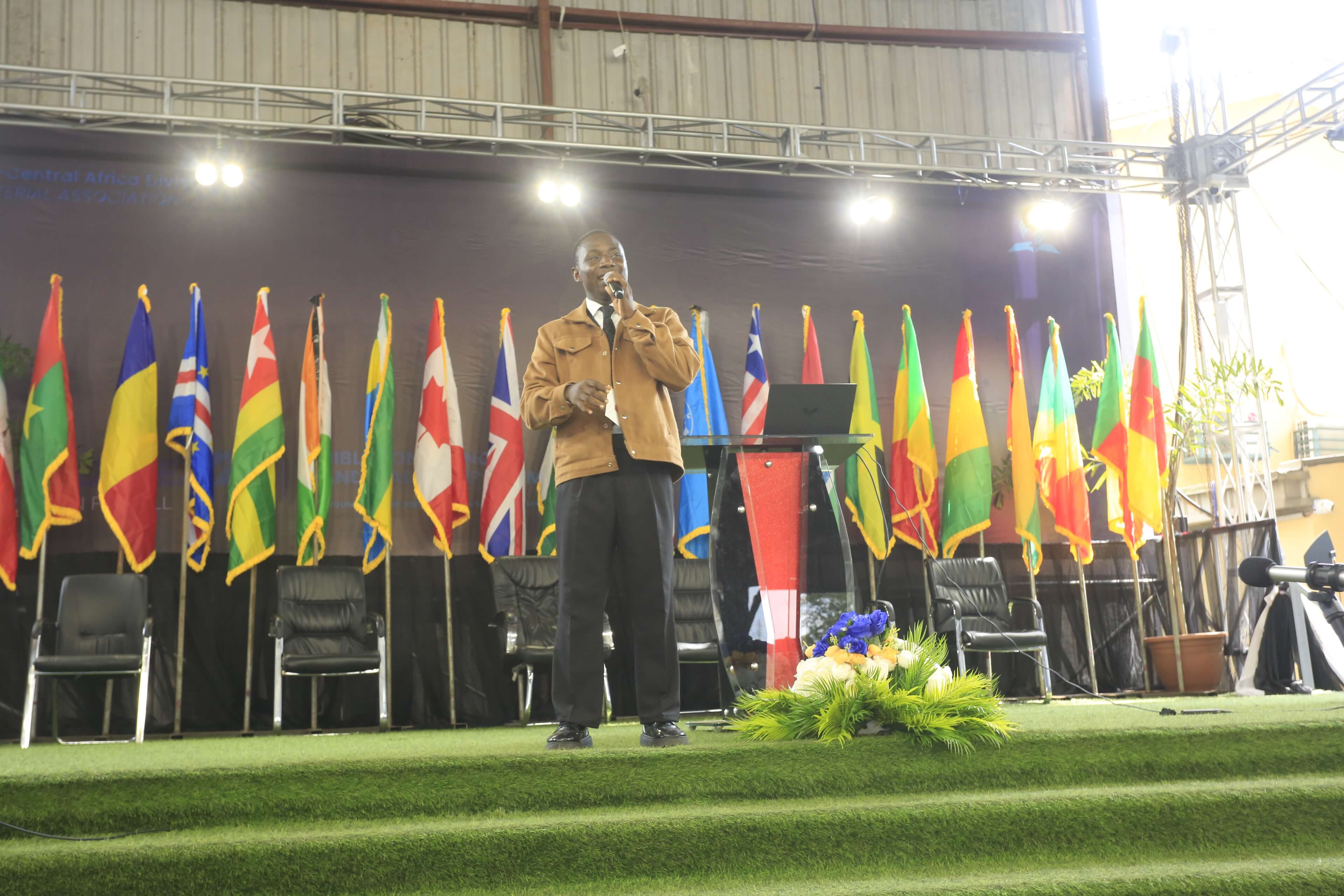
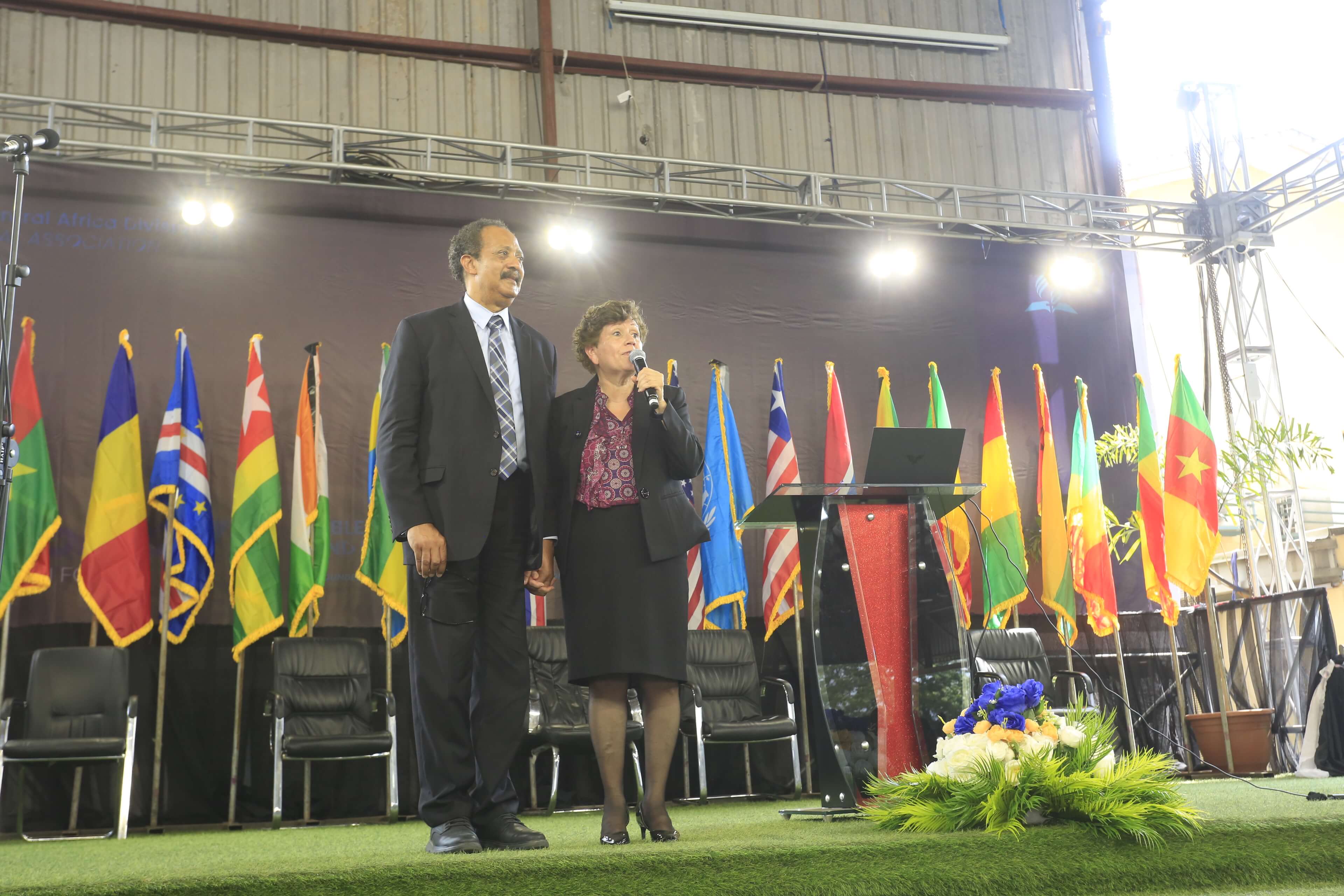

As the Seventh-day Adventist Church advances its mission across continents, Pastor Aniel Barbe, Director of the General Conference Stewardship Department, reminded leaders at the West-Central Africa Division Ministerial Bible Conference that conviction is the engine of stewardship and stewardship is the lifeline of mission. He appealed to church leaders and ministry partners to raise an army of faithful stewards whose generosity can propel God’s final mission beyond local boundaries to the global stage.
Speaking on the theme “Impact of Leaders’ Convictions on Influencing Members’ Stewardship", Pastor Barbe emphasized that leaders who take time to identify obstacles to giving are more likely to inspire partnership. He stressed the importance of tracking participation and communicating results, noting that churches which monitor giving usually thrive—just as counting goals changes the way a soccer match is played.
He urged leaders to strengthen members’ knowledge through education on giving, resource management, and resource generation, warning against confusing education with promotion. “It is education that has proven effective for long-term growth,” he said. Beyond the pulpit, leaders must cultivate personal connections, integrate stewardship messages into every aspect of church life, and provide diverse avenues for giving, connecting, and teaching.
Pastor Barbe directed participants to the Stewardship Department’s training handbook for practical guidance but underscored that the true foundation of stewardship is conviction. He identified four key convictions that shape organizational culture and global mission impact:
• Giving as spirituality – citing the wise men and Zacchaeus, and quoting Ellen G. White on self-denying benevolence as God’s remedy for selfishness.
• Giving as mission – pointing to Luke 8:1–3, where women supported Jesus’ Galilean ministry, showing that generosity fuels outreach.
• Giving as blessing – affirming that generosity benefits the giver, and leaders who believe biblical promises inspire congregations more deeply.
• Leadership as influence – highlighting Moses and King David as examples of leaders who inspired generosity without coercion.
He concluded with a sober reminder: “Many people do not partner at the level they should simply because no one is teaching or appealing to them.” Pastor Barbe’s call was clear—leaders must embody conviction and mobilize faithful partners so that the mission of the church can move forward, not only in local communities but across the globe.
Godwin Ugbaka is an Assistant Director of Communication, Media and Branding at Babcock University