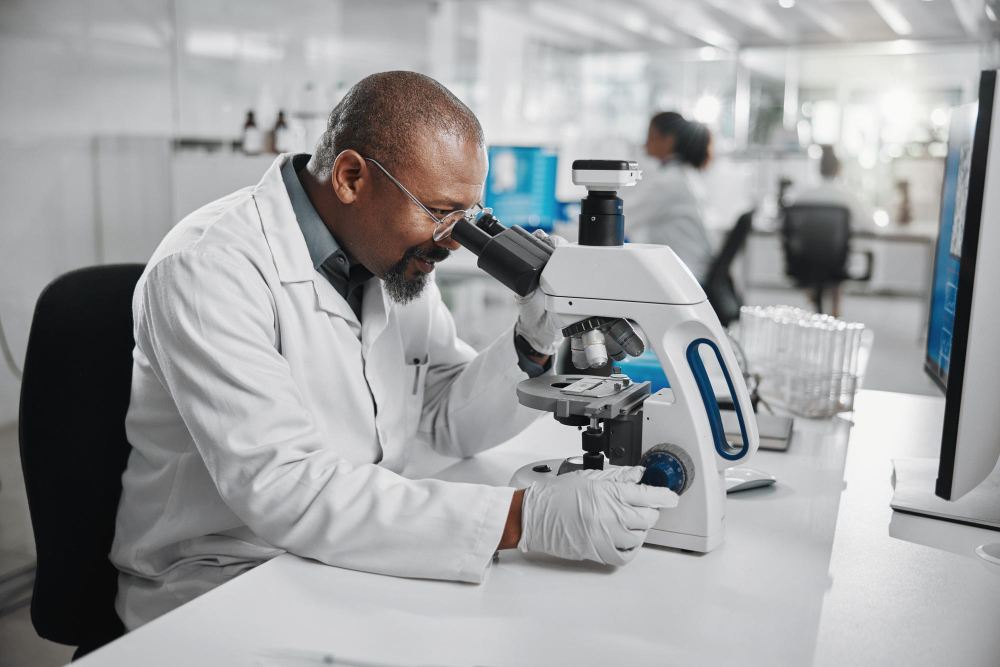
Apply Now →

Advancing Scientific Discovery Through Integrated Research

The central science laboratory is a multidisciplinary research and analytical facility supporting advanced scientific research, professional training, and industrial collaboration.

Explore
CSL // SEC.01STRATEGIC VISION
Strategic Vision

A digitally integrated research infrastructure platform

The Central Science Laboratory (CSL) is being transformed into a research, innovation, and revenue hub — leveraging existing DNA sequencing systems, real-time PCR platforms, bioinformatics tools, and high-performance computing resources to support molecular biology, genomics, biotechnology, environmental science, and computational biology across the university.
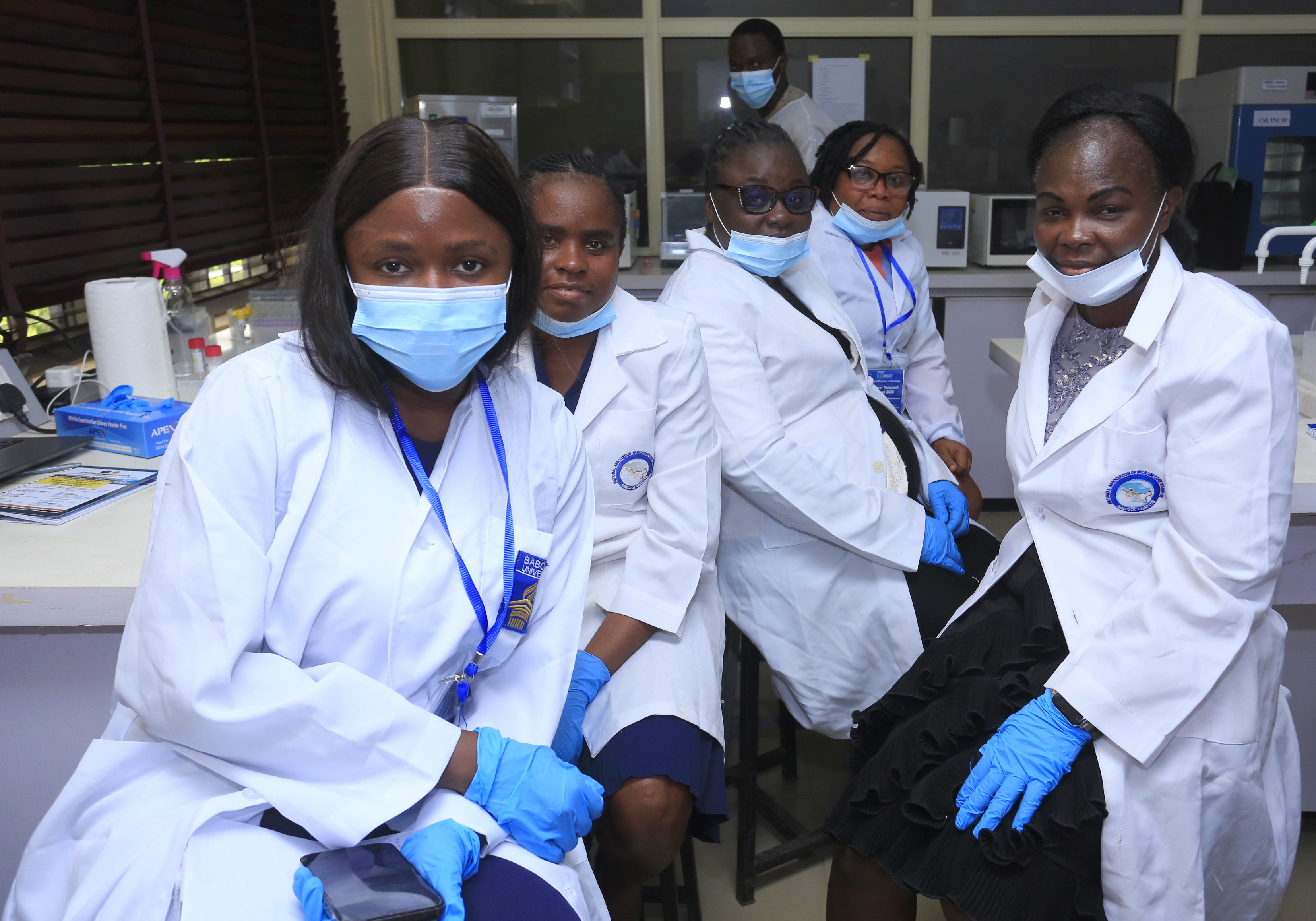
Central Science Laboratory research space
CSL — Research Infrastructure

Within three to five years, the laboratory is positioned to operate as a core research facility for the university, a regional center for advanced scientific training, a provider of specialized analytical and diagnostic services, and a platform for research collaboration and innovation.

Oversight sits with a university-appointed committee responsible for strategic direction and performance evaluation, while day-to-day coordination is led by the Central Laboratory Manager.

  • 01 University committee — strategic policy & oversight
  • 02 Central Laboratory Manager — operational leadership
  • 03 Technical unit specialists — service delivery & instruments
  • 04 Research support office — grants & cost recovery
CSL // SEC.02DIGITAL PLATFORM
Digital Management

Central Laboratory Digital Management Platform

Every service request, sample, booking, and invoice moves through one system — giving the Director, Laboratory Manager, and committee a live view of how the lab is running.

Research Infrastructure Control Center

The same platform doubles as a real-time performance dashboard, turning daily operations into data leadership can act on.

Utilization
#Samples
Revenue
Projects
Laboratory digital operations dashboard

Service catalogue

Published services and pricing, visible to every requester.

Sample tracking

Unique sample ID assigned and tracked start to finish.

Equipment booking

Instrument scheduling with usage monitoring built in.

Billing & invoicing

Automated, tied directly to completed services.

Client enquiry portal

A single front door for researchers and external clients.

Digital result reporting

Results delivered and archived within the platform.

CSL // SEC.11EQUIPMENT INVENTORY
Equipment

Instrumentation across the Molecular & Tissue Culture Laboratory

Organized by room, this is the core instrumentation currently powering extraction, mastermix preparation, and amplification workflows.

Extraction Room

7 instruments

ESCO Biosafety Cabinet Class II

Biosafety containment unit

Smart32 Auto Extraction

Model Smart32Serial DA01011036

DLAB Cold Centrifuge

Model D1524RSerial LK20BAR0000023

Eppendorf Cold Centrifuge

Model Centrifuge 5402

Biofuge Pico Centrifuge

Serial 252422

VWR Digital Heat Block

Model Heatblock 2 949302Serial 080116027

Multiblock Heater

Model 2050Serial 10034300

Mastermix Room

1 instrument

Biobase Biosafety Cabinet Class II

Biosafety containment unit

Amplification Room

3 instruments

Bioer Real-Time PCR Machine

Model FQO-96ASerial BVQ6B21E-546540

ECO Illumina PCR Machine

Model ECOTMSerial P05643

Rotor-Gene PCR Machine

Model RG3000Serial 040323

No equipment matches your search.

CSL // SEC.03OPERATIONAL UNITS
Scientific Units

Seven specialized units, each led by a technical specialist

Every unit is responsible for its own service delivery and instrument oversight, feeding into the shared digital platform.

Molecular biology unit
UNIT 01

Molecular Biology & Diagnostics

Genomics and sequencing unit
UNIT 02

Genomics & Sequencing

Bioinformatics and HPC unit
UNIT 03

Bioinformatics & High-Performance Computing

Analytical chemistry unit
UNIT 04

Analytical Chemistry & Environmental Testing

Microbiology and cell culture unit
UNIT 05

Microbiology & Cell Culture

Instrumentation and infrastructure unit
UNIT 06

Instrumentation & Infrastructure Management

Training and research development unit
UNIT 07

Training & Research Development

CSL // SEC.04SERVICE STREAMS
Services & Revenue

Nine revenue streams, each with a designated operational lead

A diversified model spanning analytical services, instrument access, training, and contract research — reducing reliance on any single funding source.

01

Molecular & Genetic Analysis

Lead: Molecular Biology & Genomics Unit
Services
DNA/RNA extraction, PCR & Real-Time PCR, pathogen detection, resistance-gene detection, sequencing prep.
Clients / model
Hospitals, diagnostic labs, biomedical researchers, biotech firms — charged per analysis or sample.
02

Microbial Testing & Bioanalysis

Lead: Microbiology Unit
Services
Microbial identification, antimicrobial susceptibility testing, contamination and surveillance analysis.
Clients / model
Hospitals, pharma, food industries, research labs — per-sample fees and service agreements.
03

Analytical Chemistry & Instrumentation

Lead: Analytical Chemistry Unit
Services
Chromatography, spectrophotometry, compound quantification, pharmaceutical & chemical characterization.
Clients / model
Pharma, chemical manufacturers, regulators — instrument usage charges and analytical fees.
04

Environmental & Food Safety Testing

Lead: Environmental Analysis Unit
Services
Water and soil testing, microbial contamination checks, pollution monitoring.
Clients / model
Environmental agencies, agriculture, water and food companies — contract testing.
05

Equipment Access & Instrument Rental

Lead: Instrumentation Unit
Services
Instrument booking with technical support for specialized equipment.
Clients / model
University researchers, external universities, biotech firms — hourly or per-analysis charges.
06

Bioinformatics & Data Analysis

Lead: Bioinformatics Unit
Services
Genomic data analysis, transcriptomics, metagenomics, statistical research analysis.
Clients / model
Academic researchers, pharma, biotech — project-based fees.
07

Professional Scientific Training

Lead: Training & Capacity Development Unit
Services
Workshops in molecular diagnostics, PCR, bioinformatics, quality management, instrumentation.
Clients / model
Lab scientists, postgrads, healthcare professionals, industry — registration fees.
08

Contract Research & Industry Collaboration

Lead: Research & Innovation Coordination Unit
Services
Collaborative research, industrial testing, diagnostic validation, product evaluation.
Clients / model
Pharma, biotech, healthcare, government — contract funding and service agreements.
09

Grant-Supported Laboratory Services

Lead: Research Support Office
Services
Analytical services for grant-funded research within and outside the university.
Clients / model
Grant-funded projects — cost recovery via included lab service budgets.
CSL // SEC.05TRAINING CALENDAR
Scientific Training

Monthly technical programs, quarterly flagship training

A structured calendar keeps infrastructure in constant use and builds researcher capacity year-round, combining lectures, hands-on lab work, and computational analysis.

Laboratory training session
April

Gene Expression Analysis & qPCR

RNA extraction and real-time PCR

May

CRISPR-Cas Genome Editing

Gene editing concepts and PCR validation

June

High Resolution Melting (HRM) Analysis

SNP and mutation detection

July

Molecular Diagnostics Bootcamp

Pathogen detection workflows

August

BioPython for Biological Data Analysis

Python programming for biology

September

DNA Sequencing & Genomic Analysis

Sequencing workflows

October

Molecular Docking & Drug Discovery

Protein–ligand docking simulation

November

Bioinformatics for Genomics

Genomic pipelines and HPC

December

Molecular Epidemiology & Pathogen Genomics

Genomic surveillance

Quarterly flagship programs

Q1

Genomics & Gene Expression Analysis

Q2

Genome Editing & Functional Genomics

Q3

Bioinformatics & Computational Biology

Q4

Computational Drug Discovery & Molecular Simulation

CSL // SEC.10LEADERSHIP TEAM
Personnel

The people leading the Central Research Laboratory

Strategic direction, analytical leadership, and day-to-day laboratory management, brought together under one governance structure.

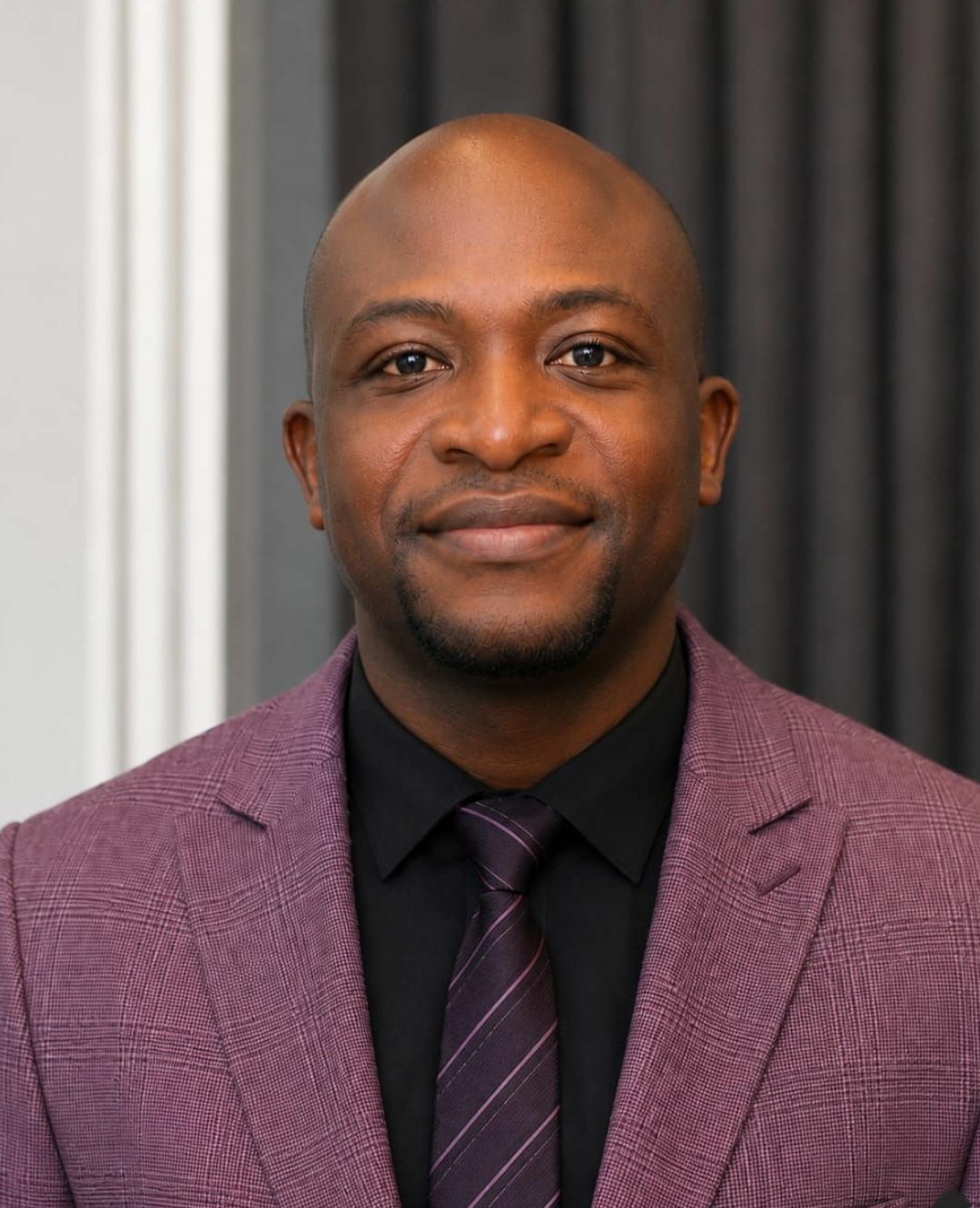
Prof Nwagburuka Cyril Chikere
Director

Prof. Nwagburuka Cyril Chikere

Director, Central Research Laboratory

A professor of Plant Breeding and Genetics with over twenty-five years of laboratory and field research experience. His expertise spans genetics, African indigenous vegetable crop improvement, food safety, metagenomics, and biotechnology, with over 60 publications and book chapters in high-impact peer-reviewed journals.

Dr Chinedu Anokwuru
Committee Secretary

Dr. Chinedu Anokwuru

Committee Secretary, Central Research Laboratory

A distinguished biochemist specializing in natural product chemistry and advanced analytical biochemistry. As Head of the Laboratory Analytical Unit, he leads the discovery, characterization, and evaluation of bioactive compounds — strengthening the lab's role as a center of excellence in scientific investigation.

Kemiki Olalekan Ademola
Laboratory Manager

Kemiki Olalekan Ademola

Laboratory Manager, Central Research Laboratory

A molecular diagnostics specialist with a strong track record building laboratory systems for research, training, and innovation. His work spans PCR diagnostics, gene expression analysis, and antimicrobial resistance research.

CSL // SEC.06DIPLOMA PROGRAMS
Diploma Pathways

Formal diploma programs built on existing infrastructure

Postgraduate diplomas anchored to the sequencing, PCR, bioinformatics and HPC infrastructure already in place, alongside shorter professional diplomas for working scientists.

Postgraduate diplomas

Ge

Genomics

DNA sequencing, genome analysis, genomic medicine, microbial genomics

Bi

Bioinformatics

Sequence analysis, genomic data analysis, computational biology, BioPython

Md

Molecular Diagnostics

PCR & real-time PCR diagnostics, pathogen detection, molecular epidemiology

Bt

Biotechnology

Molecular biotechnology, recombinant DNA, gene expression, applied genomics

Cb

Computational Biology

Biological data science, genomic modeling, systems biology

Dd

Drug Discovery & Bioinformatics

Molecular docking, structure-based drug design, pharmacogenomics

Eg

Environmental & Agricultural Genomics

Environmental DNA analysis, microbial ecology, metagenomics

Me

Molecular Epidemiology

Pathogen genomics, genomic surveillance, outbreak investigation

Professional diplomas (industry-focused)

Molecular Biology Techniques

For working lab professionals

Genomics & Precision Medicine

For working lab professionals

Bioinformatics & Data Analysis

For working lab professionals

Advanced Molecular Diagnostics

For working lab professionals
CSL // SEC.07CLIENTS & PRICING
Clientele & Pricing

A graded model — accessible internally, commercial externally

Pricing is tiered by client category, keeping the lab affordable for university researchers while generating full commercial revenue from industry.

Who the lab serves

01

Internal academic users

Faculty, postgraduate and undergraduate researchers, interdisciplinary groups

02

External academic institutions

Other universities, research institutes, postgraduate research groups

03

Healthcare & diagnostic institutions

Hospitals, diagnostic labs, public health laboratories

04

Industry & private sector

Pharma, biotech, food production, environmental and agricultural firms

05

Training participants

Lab scientists, healthcare professionals, biotechnology professionals

Graded pricing

Internal university researchers

Subsidized

External academic researchers

Cost recovery

Government & public health bodies

Collaborative

Industry & private companies

Commercial

Training participants

Program fees
CSL // SEC.08ROADMAP
Implementation

A three-phase path to financial sustainability

Phase 1 — 0 to 6 months

Foundation

Infrastructure audit, equipment activation, staff training, digital platform rollout, operational protocols.

Phase 2 — 6 to 18 months

Launch

Analytical services go live, training programs begin, external collaborations established.

Phase 3 — 2 to 3 years

Scale

Expanded research services, higher publication output, deeper industry partnerships, financial sustainability.

First-year launch plan

Q1

Launch digital platform and first training programs

Q2

Start analytical services and industry outreach

Q3

Expand training programs and collaborations

Q4

Evaluate performance and scale services

Laboratory equipment

Immediate equipment needs

-80°C FreezerSample preservation — High
HomogenizerSample preparation — High
Refrigerated CentrifugeMolecular workflows — High
Gel Documentation SystemDNA analysis — Medium
CSL // SEC.09EXPECTED IMPACT
Expected Impact

A measurable, sustainable research infrastructure

Success will be tracked through research projects supported, publications, training participation, external revenue, and equipment utilization.

Research collaboration in the laboratory

Increased university research productivity and postgraduate training

External funding and institutional partnerships attracted

Sustainable institutional revenue generated across nine streams

Recognition as a regional hub for scientific research and training