
| Sandra Ikegwuruka
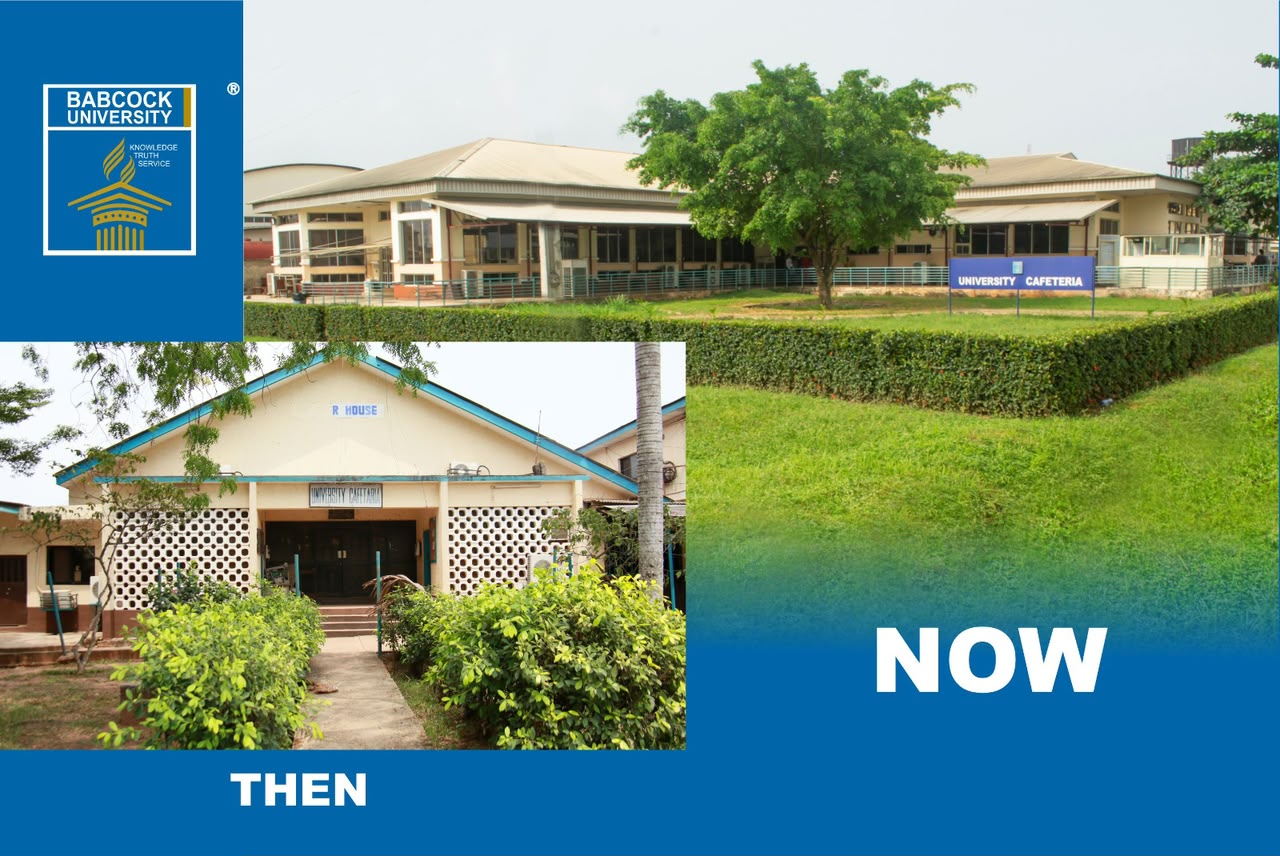
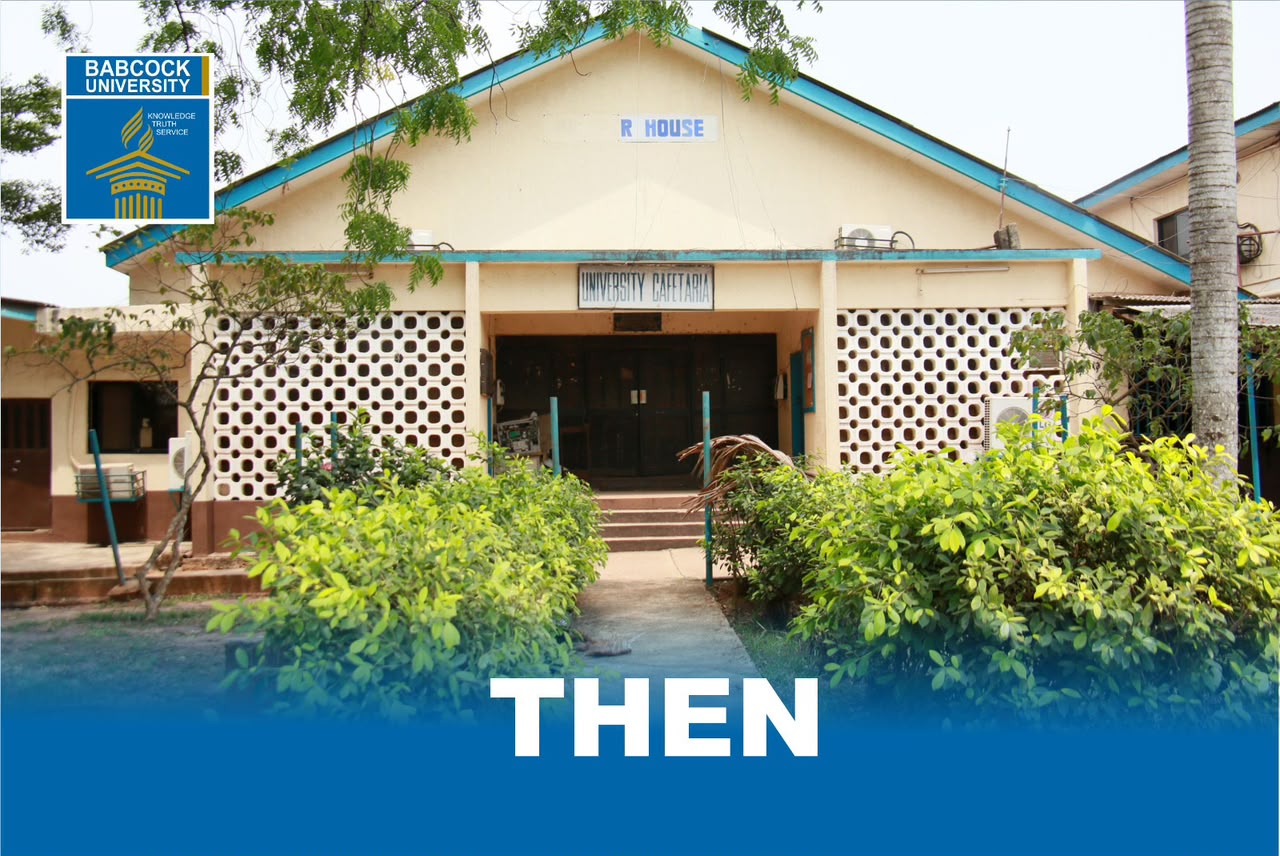

Before the first lecture was taught, a table was set.
Before degrees were earned, meals were shared.
Before greatness had a name, grace was already feeding it.
At Babcock University, the cafeteria has always been more than a place to eat. For generations of students and staff, it has been part of everyday university life—a place to meet, catch up with friends, take a break between lectures and, sometimes, simply find a good meal after a long day.
In the early years, things were much simpler. There were shared benches, modest spaces and basic meals. But around those tables, a community was taking shape. People gathered, ate together and went about the business of building a university.
Sixty-seven years later, much has changed.
The dining spaces have evolved. Kitchens are better equipped. Food storage and handling have improved. Sanitation and water facilities have received greater attention, while trained personnel help maintain the standards expected in a modern university.
Yet the story is not only about better facilities. It is also about a growing understanding of what it means to feed a community responsibly.
Food is closely connected to student life. A student who has access to a decent, healthy and affordable meal is in a better position to concentrate in class, participate in university activities and make the most of the opportunities available.
That is part of the thinking behind *Sustainable Development Goal 2: Zero Hunger*.
At Babcock, the conversation goes beyond simply putting food on the table. It includes the availability of healthy and affordable choices and the need to make food part of a wider culture of well-being. It also creates room to think about food security and the knowledge required to produce and access food sustainably.
There is another side to the story that is often less visible.
Where does the food come from?
Before a meal reaches a student's plate, farmers, food producers, suppliers, transporters and other workers have already played their part. The decision to source food and supplies responsibly therefore has consequences beyond the campus.
Giving consideration to local and sustainable sources can support food producers and local livelihoods while encouraging a supply chain that is more conscious of how food is produced and delivered.
This is where SDG 12: Responsible Consumption and Production comes into the picture.
Sustainability is not only about what is purchased. It is also about what happens to food and other resources after they arrive on campus.
How much is prepared?
How much is wasted?
How are supplies stored?
How are waste materials handled?
How can resources such as water and energy be used more carefully?
These may seem like ordinary operational questions, but together they shape the environmental footprint of a university.
The same applies to the choices available to those who eat on campus. Providing a range of nutritious and sustainable food options, including suitable vegetarian and plant-based choices, gives members of the University community an opportunity to make decisions that consider both health and responsible consumption.
None of this happens through one office or one group of people.
The kitchen staff, suppliers, farmers, cleaners, food-service personnel, administrators and students all have a part to play. So do the policies and systems that guide how food is purchased, prepared, served and managed.
That is perhaps one of the most important lessons hidden in the story of the Babcock cafeteria.
A university is built through many small things done well.
A safe meal.
A clean dining space.
A responsible supplier.
A well-managed kitchen.
A student who has enough to eat.
Food that is not unnecessarily wasted.
These everyday actions may not always make the headlines, but they contribute to the kind of institution Babcock wants to be.
As Babcock University celebrates *67 years of God's faithfulness* at Founders' Day 2026, under the theme “Founded on Grace, Building for Greatness,” we remember the meals that nourished generations and the people behind them.
The cafeteria has changed with the University.
But its place in the story remains.
Then: a place to eat.
Now: a place to thrive.
Tomorrow: a more responsible and sustainable way of nourishing the Babcock community.
For those who have passed through Babcock, the memories may be different—a favorite meal, a familiar dining hall, a table shared with friends, or a quick lunch between lectures.
Which generation do you remember—the THEN or the NOW?
Tell us your favourite Babcock cafeteria memory.
#BabcockUniversity #FoundersDay2026 #BU67 #FoundedOnGrace #BuildingForGreatness #BabcockMemories #SustainableCampus #FoodSafety #UniversityImpact #SDG@ #SDG12