
| Sandra Ikegwuruka
A child understands a lesson but struggles to write down the answer. Another needs pictures to make sense of an instruction, while a third learns best through practical activities. Yet, in many classrooms, everyone is expected to learn in much the same way.
When they struggle, the question often becomes what is wrong with the child, rather than whether the approach to teaching is meeting the child's needs.
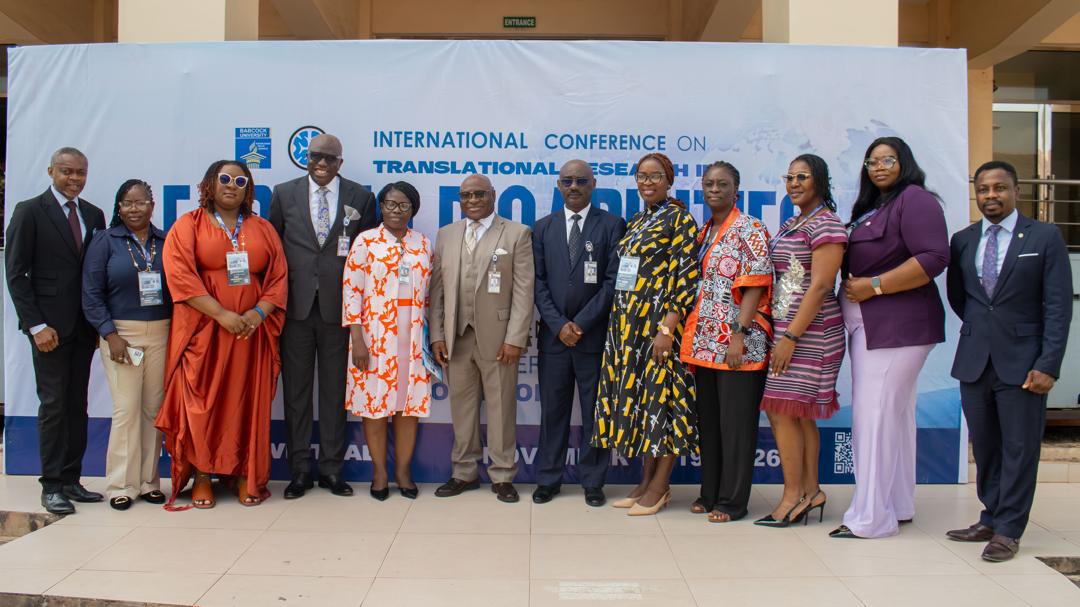
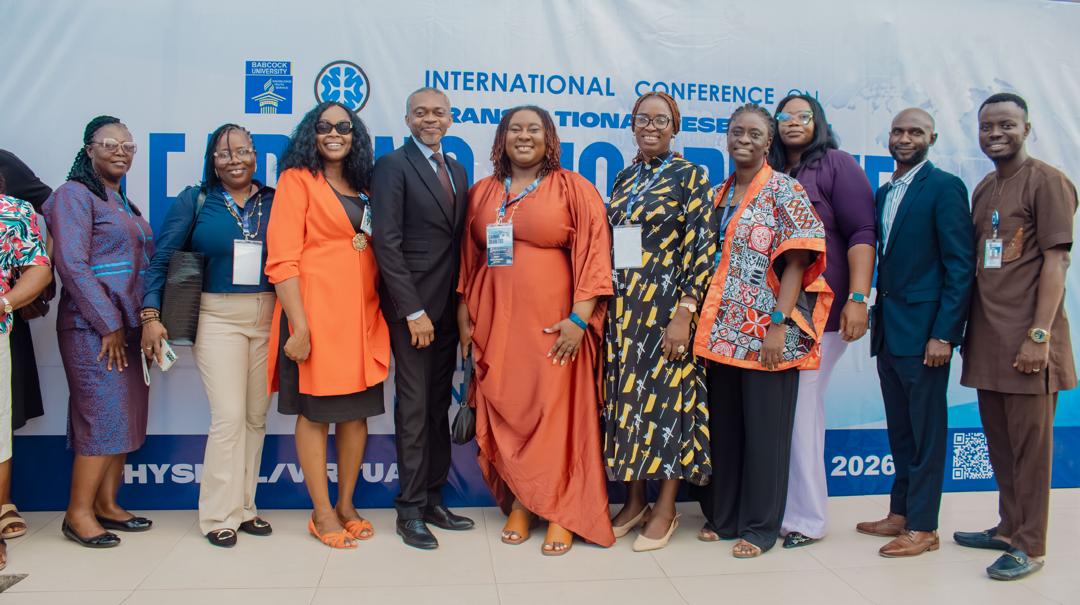
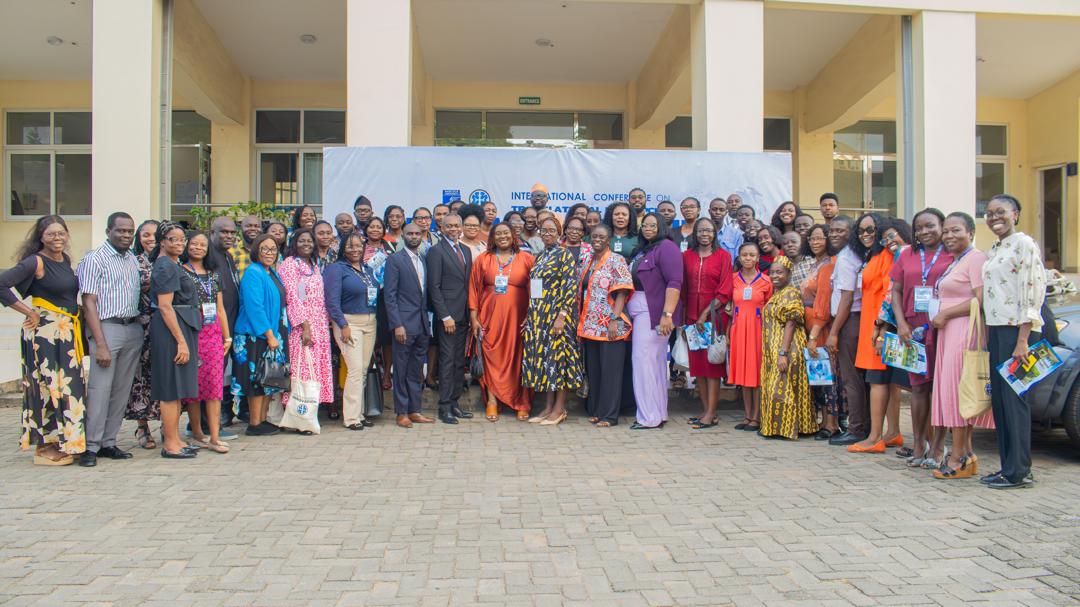
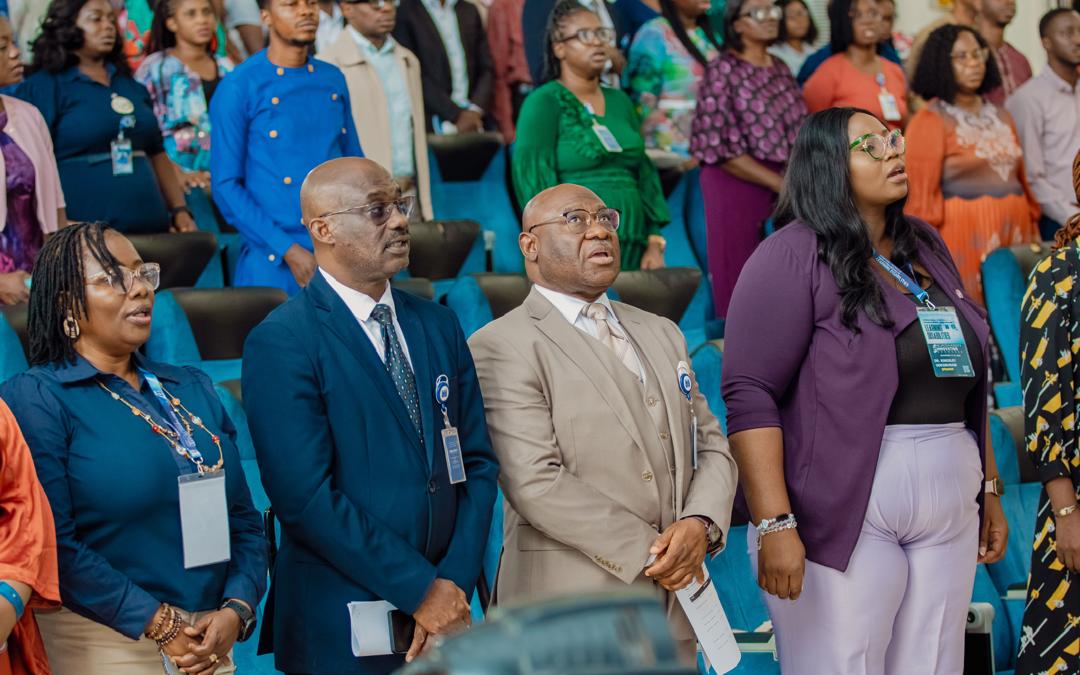
This was the question at the heart of Babcock University's International Conference on Translational Research in Learning Disabilities (ICTR-LD 2026), held from 17 to 19 November under the theme “Neurodiversity: Helping Different Minds Learn Better.” Organised by the University's Research, Innovation and International Collaboration (RIIC), the conference brought together educators, clinicians, researchers, university leaders, policymakers, technologists, parents and learners to examine how knowledge about learning disabilities and neurodivergence can translate into meaningful changes in classrooms, campuses and homes.
Opening the conference, the President/Vice-Chancellor, Prof. Afolarin Ojewole, challenged participants to rethink conventional ideas of intelligence and ability. He observed that children are sometimes judged unfairly because they do not meet society's expectations of how learning should happen. A learning difficulty or disability, he stressed, should never deny a child educational opportunity. He called on schools to adapt their facilities, curricula and teaching approaches, while urging educators to examine their classroom practices and researchers to develop solutions that address real learning needs.
The call to change perspectives continued in the opening devotional, “Different Minds, Same God,” delivered by Associate University Pastor, Pastor Bayo Elusode. His message, “Different Does Not Mean Deficient,” encouraged parents, educators and caregivers to look beyond a child's difficulties and recognise individual strengths and needs. He introduced the Three Cs Framework for Change: Consciousness —becoming aware of what the child needs and changing one's lens; Customization — changing the environment; and Conversion — changing teaching methods and perceptions. His message was a reminder that children should not have to fit into a single idea of how learning must take place.
The conference also received goodwill messages from two key education institutions, reinforcing the importance of partnerships in advancing inclusive learning. In his goodwill message, Prof. Salisu Shehu, the Executive Secretary of Nigerian Educational Research and Development Council (NERDC), its Executive Secretary, Prof. Salisu Shehu, described the gathering as an important platform for strategic partnerships in education, research and development. He reaffirmed education's role in sustainable development, particularly in a world shaped by digital technology and artificial intelligence. He highlighted NERDC's commitment to educational research and innovation, curriculum development, relevant 21st-century competencies and innovative learning approaches. He also expressed the Council's readiness to explore mutually beneficial partnerships with Babcock University and other participating institutions.
In a goodwill message from the Teachers Registration Council of Nigeria (TRCN), delivered by Princess Adaobi Ekwuno on behalf of the Registrar, Dr. Ronke Shoyomo, the Council emphasised that research must move beyond academic publications to improve the quality of education. The message reaffirmed every child's right to quality, inclusive and equitable education, irrespective of individual learning needs or challenges. It also underscored the responsibility of teachers to uphold professional standards while developing the knowledge and competencies needed to support diverse learners.
The presentations took the conversation further, examining what inclusion should look like in practice. Prof. F. M. Mulaudzi, speaking on Ubuntu-informed pedagogies, questioned education systems built around competition, ranking and individual achievement at the expense of belonging. Drawing on the Ubuntu philosophy, “I am because we are,” she proposed a more community-centred approach in which the exclusion of one learner diminishes the wider community. She highlighted the importance of relationships, respect, responsibility and social justice, alongside peer support, storytelling, screening and referral. She also stressed that learners must have a voice in decisions about their own education.
The experience of neurodiverse students on university campuses was explored by Prof. M. D. Ariyo, who drew attention to sensory overload, the exhaustion associated with masking and the academic burnout that can go unnoticed. Her whole-person approach connected student wellbeing with nutrition, physical activity, restorative sleep, stress management, social connection and avoidance of risky substances, alongside spiritual anchoring. She proposed practical campus support, including structured syllabi, sensory quiet zones, spiritual mentorship and timely clinical referrals.
Turning to the science of learning, Dr. B. T. Adejugbe-Williams examined how differences in memory, visual processing and auditory processing can affect learning. Her presentation connected these challenges to practical teaching strategies, including step-by-step instructions, graphic organisers, enlarged print, systematic phonics, concrete learning materials and peer support. She also outlined a teaching routine in which the teacher models, the class practises, learners try independently and the lesson is revisited. The emphasis was on helping learners succeed within the regular programme through appropriate adaptations.
For Dr. R. Okoro, creating inclusive classrooms requires more than providing access to technology. Teachers must understand the learner's prior knowledge, communication, digital readiness, confidence, access to support, interests and context. His presentation encouraged educators to move from awareness to readiness and responsible adoption of technology, including the safe and verified use of artificial intelligence. One principle stood out: profile the need, not the child.
The conference also considered how technology and data might improve the coordination of support. Presented under the Babcock NeuroChallenge, the Observatory of Neurodivergence, developed by Instituto Sallva, was introduced as a proposed data platform to help connect information across education, health, disability and social support systems. Its purpose is to give families, educators and decision-makers a clearer picture of needs, available services and gaps. The presentation also acknowledged that Nigerian localisation, market validation and beneficiary outcomes remain to be established, and that the platform is not intended to replace clinical diagnosis or professional judgement.
The clinical and educational discussions brought these perspectives closer to everyday classroom realities. Dr. Yetunde Adeniyi examined the gap between clinical research and classroom practice, highlighting the need for stronger communication between health and education professionals and teaching adjustments that respond to individual needs. Dr. Tolulope Bella-Awusah cautioned against interpreting every classroom difficulty as indiscipline, noting that behaviour may reflect underlying developmental, emotional, psychological or medical needs. She emphasised appropriate support, parental involvement and functional referral systems.
Ifunanya Ozoike, representing the Royal School of Educational Therapy Foundation (RSET), presented a learner-centred, multidisciplinary approach that brings education, therapy, wellbeing and everyday life skills together. Her presentation also introduced the Therapy Bag Library Project, designed to improve access to therapeutic resources for families who may struggle with the cost of specialist support.
Another practical contribution came from Dr. Chinedu Anokwuru, who presented the BABCOCK Translational Toolkit. Designed to help teachers observe, document and respond to learning difficulties, the resource includes an observation checklist, weekly log, assistive tool checklist and support plan. Feedback from participants is to inform its refinement ahead of proposed testing in selected schools.
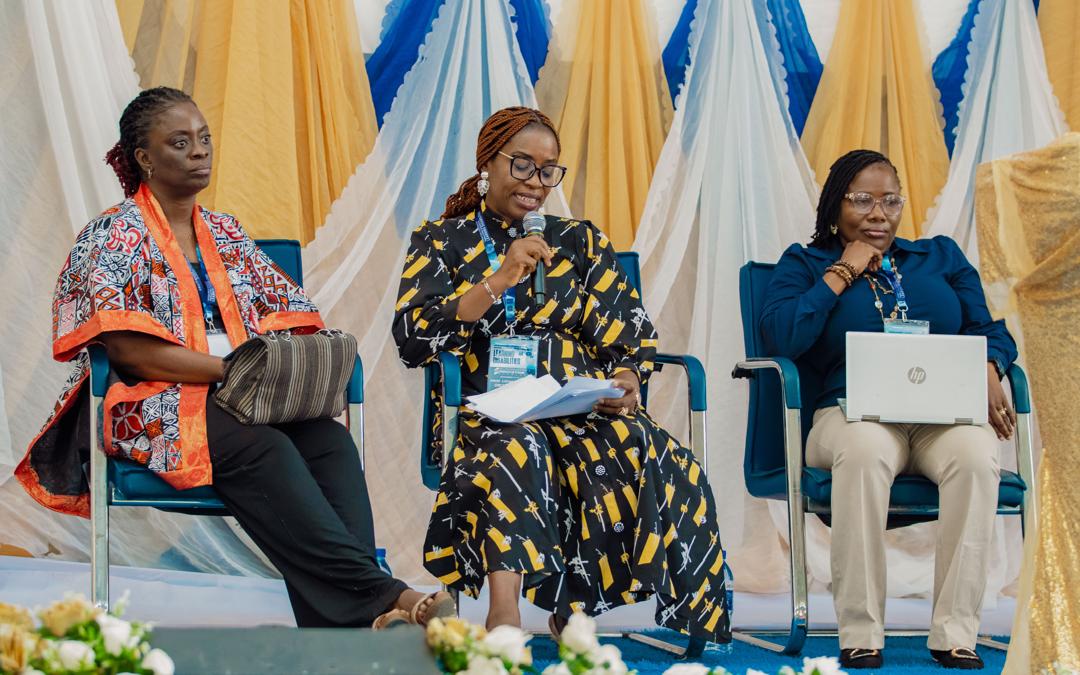
The conference's clinical and educational panel discussions, involving Prof. Liziana Onuigbo, Mr. Sunday Ogunmola, Dr. Bella Anwusa and Dr. Emma Gbenedio, further explored collaboration, student support structures and referral pathways for learners requiring additional assistance.
Across the presentations, a common message emerged: exclusion is not simply a challenge within the child; it can also be created by rigid curricula, inaccessible environments, negative attitudes and inadequate support. Admission into a school or university is only the beginning. True inclusion is reflected in whether learners can participate, feel they belong and make meaningful progress.
The communiqué therefore called for stronger institutional commitment, practical teacher training, clear referral procedures, sensory-friendly learning spaces, peer support and closer collaboration among educators, families, clinicians and policymakers. It also emphasised that learners themselves should be involved in shaping the policies and services that affect them. Technology and interventions, the conference noted, must be tested responsibly, with evidence, professional judgement and appropriate safeguards guiding their use.
These conversations speak directly to Sustainable Development Goal 4, which calls for inclusive and equitable quality education and lifelong learning opportunities for all. They also reflect Babcock University's commitment to research that responds to real human needs.
Ultimately, the success of inclusive education cannot be measured by how well every child conforms to the same classroom routine. It must be seen in the opportunities created for each learner to participate, belong, progress and fulfil their potential.
Every child deserves the chance to learn. The question is are we prepared to change the way we teach?
The conversation does not end with the conference. Follow Babcock University's platforms for more in-depth presentations from the speakers, as we explore their research, perspectives and practical recommendations in greater detail.
#BabcockUniversity #ResearchThatMatters #Neurodiversity #InclusiveEducation #LearningDisabilities #SDG4 #RIIC